
🗓️
Architects choose artificial stone cladding and artificial brick cladding not for aesthetics alone, but for reliable performance, consistent surface detailing, lighter weight, and lower lifecycle costs. Unlike natural stone, which varies by quarry, engineered cladding systems offer predictable durability, easier maintenance, and long-term supply consistency — making them the practical choice for most contemporary facades and feature walls.
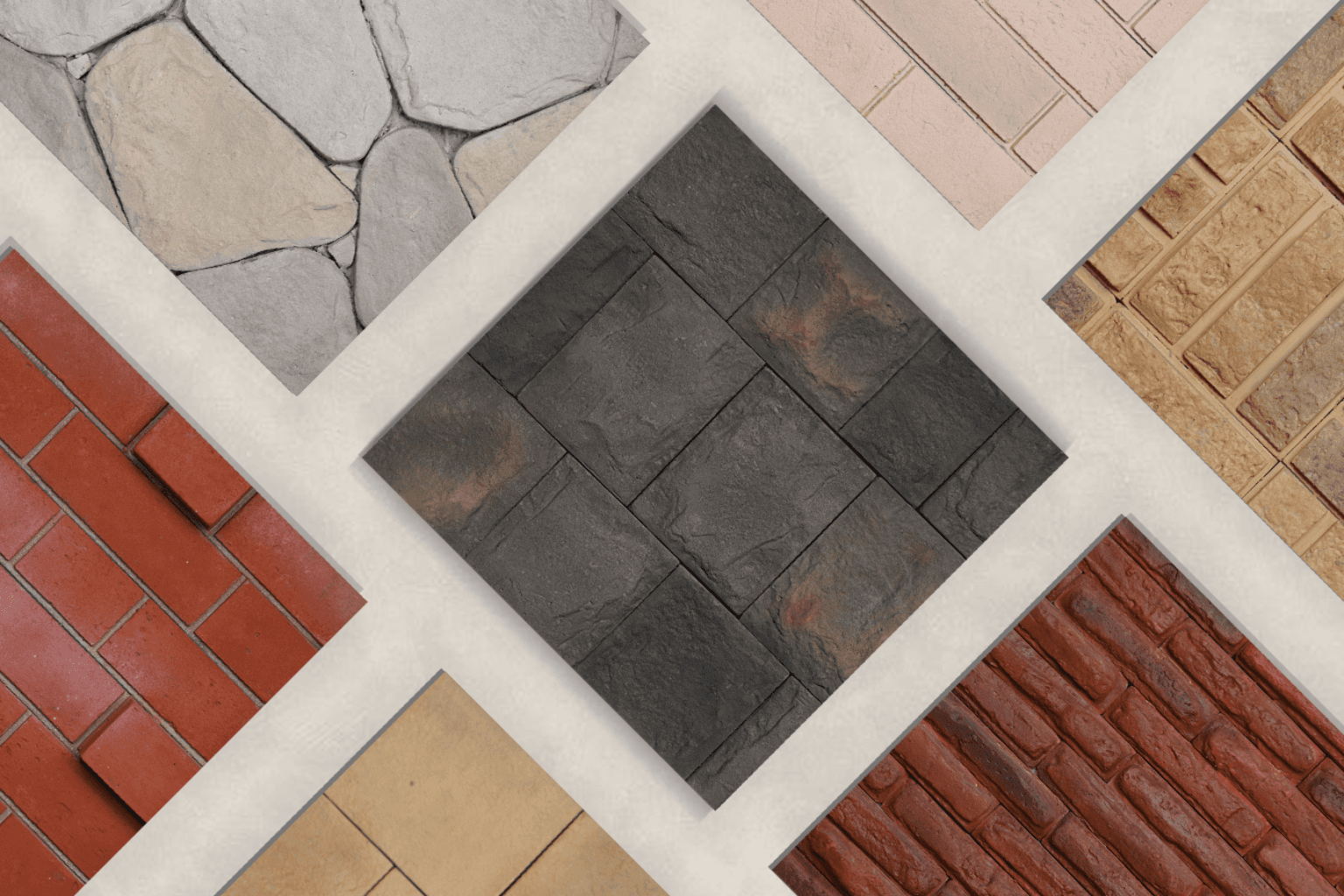
Architects do not begin with aesthetics when they specify stone cladding; they begin with risk, performance, and cost over the full life of a building. The result is that artificial stone cladding, manufactured stone veneer, cast stone, artificial brick cladding, and engineered brick systems are being chosen more often than heavy, quarried stone for modern facades and feature walls. When a project needs reliable performance, lighter weight, design control, and tighter budgets, artificial solutions usually serve an architect's priorities better than traditional natural stone.
How Architects Judge Stone Cladding
From an architect's perspective, stone cladding is part of the building envelope, not merely a finish, so it must protect structure, meet codes, and remain stable for decades. That means structural loading, water management, fire performance, thermal movement, and long-term maintenance are all considered before visual character ever enters the conversation.
Artificial stone systems are engineered products that can be tested and certified against specific standards, giving architects clear data on strength, absorption, and weather resistance. Natural stone, by contrast, is a geological product whose properties vary by species and even by quarry block, making performance less predictable and sometimes demanding more conservative detailing and thicker sections.
Architects are also responsible for how practical a cladding choice is on site — whether it can be handled efficiently with the local workforce, without unexpected complications. Because artificial stone cladding and stone-veneer bricks are typically lighter and thinner, they simplify fixing systems considerably. That practical advantage alone often pushes specifications away from full-depth natural stone toward engineered alternatives on commercial, residential, and institutional projects.
Why Artificial Stone Fits Contemporary Design
Artificial stone cladding carries the visual richness of quarried stone while giving architects far greater control over colour, pattern, and panel configuration across large facades. Products are available with consistent surface detailing and tone across batches, so long elevations, corners, and soffits can align visually without the sudden shifts that sometimes occur when different natural stone lots arrive on site.
Contemporary projects also demand specific aesthetics — minimal joints, long horizontal bands, slim profiles, or combinations of stone with glass and metal — that are far easier to achieve when the cladding comes in precise thickness and module sizes. Artificial stone, artificial brick cladding, and brick slips are available as thin panels, large formats, or modular units with integrated corners and trims, so they work cleanly alongside insulation layers and rainscreen substructures. Natural stone can of course be cut to size, but weight and structural support requirements limit the scale and flexibility an architect can safely use without driving up cost and complexity.
Maintenance and Lifecycle Value — Where Artificial Wins
The economics of a facade are not simply about the price per square metre of material; they are about what it takes to keep that facade looking sound and consistent year after year. Artificial stone is generally less porous and more resistant to staining than many common natural stones, which means less frequent sealing and straightforward cleaning. Routine upkeep can often be managed with mild detergents and water, while the material resists efflorescence, freeze–thaw cycling, and UV fading when correctly specified for exterior use.
Natural stones such as limestone and sandstone tend to need periodic sealing to control moisture absorption and staining. Some polished marbles can etch or scratch in service, adding long-term cost and maintenance risk that the architect must account for in lifecycle analyses.
Performance and Durability on Real Buildings
Architects examine carefully how cladding behaves under wind load, rain, sun, and temperature swings, because failures become highly visible and costly once a building is occupied. Artificial stone systems — including fibre-cement stone cladding, polyurethane-based panels, and high-quality manufactured stone veneer — are tested for impact resistance, thermal movement, water absorption, and freeze–thaw resistance. Many reputable suppliers back their artificial stone and artificial brick cladding products with warranties of several decades, which reflects the reliability these products have demonstrated over years of real-world use.
Natural stone is undeniably durable in principle, but performance varies widely by type. Granite and certain quartzites are extremely hard, while softer limestones and marbles can absorb water, weather unevenly, or suffer surface degradation without careful detailing and maintenance. Quarry variability also means an architect cannot always rely on consistent behaviour if supply shifts to a different source. Artificial stone cladding removes much of that uncertainty — once a product has passed relevant weathering tests and proven itself in the field, architects can specify it across multiple projects with confidence.
Sustainability and Supply Considerations
For architects today, sustainability is a serious consideration, and cladding choices are examined in terms of embodied energy, resource extraction, and transport impact. Artificial stone uses manufacturing processes and avoids large-scale quarry scarring. Because panels are lighter, they also reduce transport emissions and may allow slimmer supporting structures, contributing to a more efficient overall building envelope.
Natural stone remains a low-chemistry, long-lived material, but it depends heavily on quarry practices and shipping distances. Once a particular stone is exhausted or a quarry closes, matching an existing facade for extensions or repairs can become very difficult. With artificial stone and artificial brick cladding, suppliers can keep colourways and surface detailing available across long product cycles — or recreate them when needed — which gives architects and building owners a degree of future-proofing for phased developments and renovations.
Why This Matters for Your Project
If you are a homeowner, developer, dealer, or facilities manager, understanding what architects actually look for in stone cladding helps you see why the recommendations you receive are made. When an architect specifies artificial stone cladding or artificial brick cladding, it is usually because those materials deliver the same visual character as quarried stone with less structural demand and easier maintenance over the life of the building. Choosing artificial stone at the outset typically means more predictable costs, fewer surprises, and a facade that remains consistent and clean-looking well after the project is complete.
The point is not that natural stone has no place, but that for the great majority of contemporary facades and feature walls, artificial stone and brick cladding systems are simply a better fit with how architects are trained to think — analytically, with a clear awareness of risk, and focused on lifecycle value rather than material sentiment alone. Understanding those priorities helps you ask better questions, read specifications with greater confidence, and make decisions that give you the architectural character you want alongside performance you can rely upon.
Vertical Stones and Bricks Pvt. Ltd. — supplying quality artificial stone cladding and artificial brick cladding for discerning architects, developers, and dealers.