
🗓️
Indian heritage architecture is known for its intricate carvings, layered facades, and timeless stone craftsmanship. But recreating these historic design styles today often comes with environmental and economic challenges due to large-scale stone quarrying. Modern engineered stone and artificial stone cladding offer a smarter solution. By replicating traditional surface detailing and architectural depth without extracting natural stone, these innovative materials allow architects and developers to preserve India’s architectural identity while supporting sustainable construction practices.
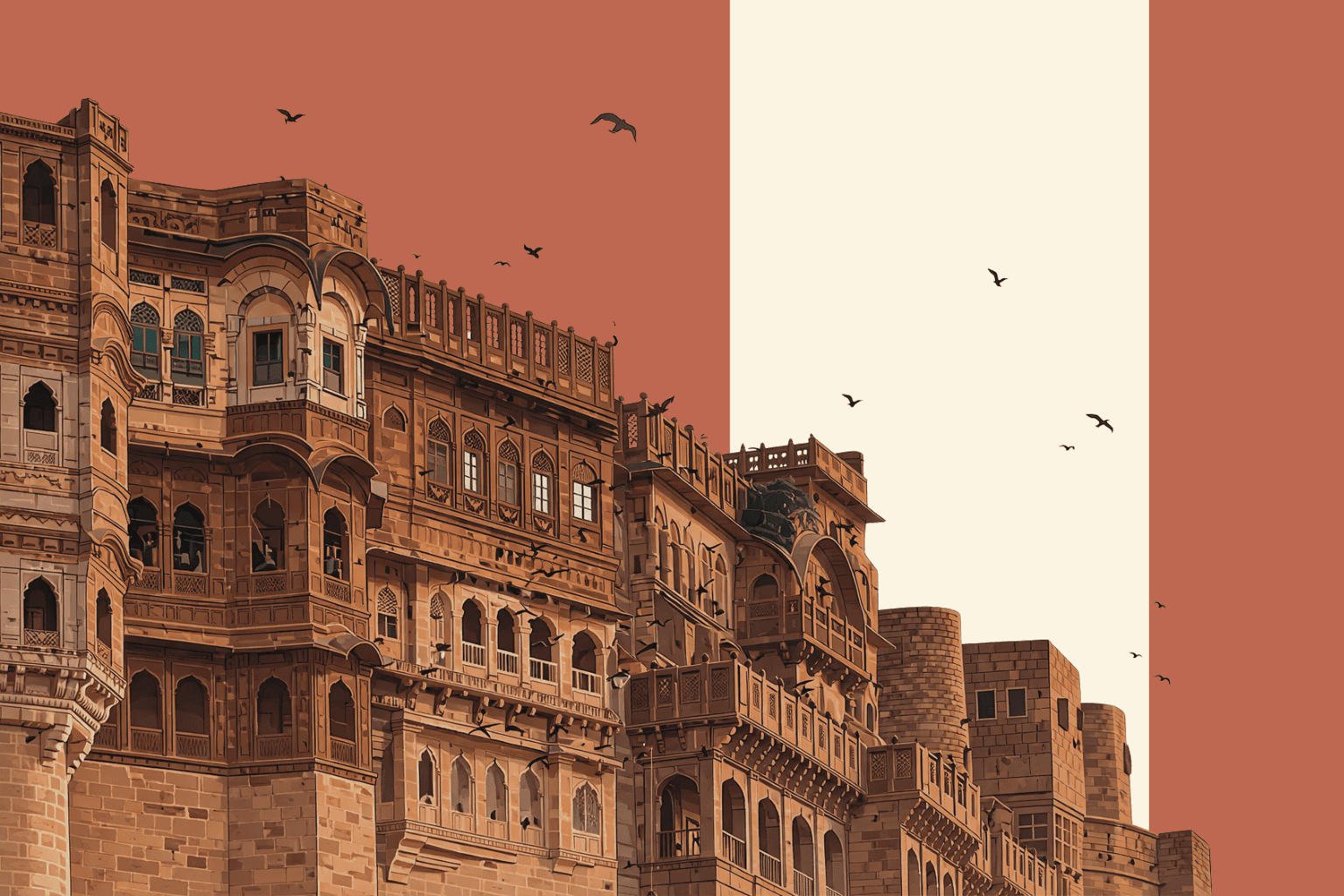
India's architectural heritage is rich, deeply detailed, and rooted in centuries of stone craftsmanship. From intricately carved temple walls to grand palace facades, natural stone has always been the medium through which Indian culture and artistic identity have been expressed. But today, preserving and recreating this heritage comes with a serious challenge. Traditional stone quarrying places growing pressure on the environment, inflates project costs, and limits scalability across modern construction. The question many architects, developers, and heritage conservation experts now ask is: Can we truly preserve Indian heritage architecture without mining real stone? The answer lies in modern material innovation — and it is already transforming how we build.
The Environmental Cost of Natural Stone Quarrying in India
Natural stone mining is no longer a simple or consequence-free process. Large-scale quarrying operations significantly affect land stability, disturb local water tables, and damage surrounding ecosystems. The extraction process demands heavy machinery, extensive logistics, long transportation routes, and skilled labor at every stage of the supply chain.
For heritage-inspired construction projects, this creates a compounding set of problems. Many historically significant stone varieties are increasingly rare or restricted. Rising raw material and transportation costs make authentic stone an expensive choice for large-scale developments. Environmental regulations are tightening across India and globally, and sustainability benchmarks are becoming essential for modern building certifications. As Indian cities continue to expand and green construction practices become a priority, relying solely on freshly quarried stone is no longer practical or responsible.
Heritage Architecture Is More Than Its Raw Material
A common misconception is that Indian heritage architecture is defined entirely by the use of natural stone. In reality, what makes these structures visually and culturally powerful is not the stone itself — it is the proportions, symmetry, surface depth, carved relief patterns, cultural motifs, and the play of light and shadow across detailed facades. These are the qualities that evoke heritage, not just the raw material beneath them.
Regional architectural styles across India — from Rajasthani jharokhas and Mughal jaalis to South Indian temple gopurams and Gujarati stepwell carvings — each carry a distinct visual language. When these design elements are reproduced with accuracy and care, the emotional and aesthetic impact of the architecture is fully preserved, even if the base material has evolved. This understanding has opened the door to smarter, more sustainable alternatives that honor tradition without demanding unnecessary extraction from the earth.
Engineered Stone and Artificial Stone Cladding: A Modern Heritage Solution
Advanced artificial stone and engineered stone cladding materials are now capable of replicating traditional stone finishes with remarkable accuracy. These materials are designed and manufactured specifically to reflect the same surface depth, surface character, and architectural detailing seen in centuries-old heritage structures across the Indian subcontinent.
Rather than extracting raw stone from quarries, these innovative materials are produced using controlled manufacturing processes that enable highly consistent surface replication, accurate detailing inspired by historical architectural references, and uniform quality across large wall surfaces and facades. Engineered stone cladding panels can be produced at scale without the environmental damage associated with traditional quarrying, making them an ideal solution for heritage-inspired construction projects ranging from residential villas to large commercial developments and public institutions.
Can Artificial Stone Replicate Traditional Indian Craftsmanship?
One of the most frequently raised concerns about engineered alternatives is whether they can truly match the craftsmanship and character of traditional Indian stonework. The answer, supported by modern manufacturing advances, is a resounding yes. Through high-fidelity mold-making, surface treatment techniques, and layered finishing processes, engineered stone products can accurately recreate hand-carved surface appearances, layered stone coursing found in historic masonry, traditional grooves and relief patterns drawn from regional architectural styles, and the visual depth that defines authentic Indian stone facades.
The result is an exterior or interior wall surface that looks and feels authentic — while also being lighter in weight, more durable in modern climate conditions, and significantly easier and faster to install than hand-cut natural stone. Far from being a compromise, high-quality artificial stone cladding is an advancement that makes heritage design more accessible and more resilient.
Sustainable Construction Materials for Heritage Architecture
Choosing engineered stone over naturally quarried stone directly supports India's growing commitment to sustainable construction. These innovative building materials typically require far less raw material extraction, consume lower energy during the manufacturing process, and produce reduced transportation emissions due to their lighter weight compared to solid stone blocks or slabs.
For heritage projects that are inherently tied to cultural identity and a sense of place, sustainability is not a secondary consideration — it becomes a core responsibility. Architects and developers working on heritage-style residential, commercial, or public architecture now have access to materials that allow them to honor that responsibility without sacrificing design quality or cultural authenticity. This approach protects natural landscapes and geological resources while still allowing heritage design traditions to flourish in contemporary Indian construction.
Scaling Indian Heritage Design Across Modern Developments
One of the most significant limitations of naturally quarried stone is its inherent difficulty to scale. Sourcing, cutting, transporting, and installing real stone is a slow and expensive process, particularly for large-scale housing developments, institutional campuses, or commercial complexes that require consistent visual identity across hundreds of units or thousands of square meters of facade.
Engineered stone cladding and artificial stone facade systems resolve this challenge by making traditional Indian aesthetic language accessible beyond monuments and luxury heritage properties. These systems are now being applied across affordable housing developments that incorporate regional architectural character, public buildings and government institutions seeking cultural connection, educational campuses designed with historical inspiration, and commercial spaces that want to convey authenticity and craftsmanship. This democratization of heritage design is one of the most important contributions that modern material innovation has made to Indian architecture.
Achieving Visual Consistency Without Losing Authentic Character
Natural stone is known for its inherent variation — every piece differs slightly in surface character, color, and veining. While this uniqueness is valuable in some contexts, it can create visual inconsistencies in large construction projects where surface harmony across a building facade is essential to the overall design intent.
Modern engineered stone alternatives offer controlled, repeatable consistency. Architects and designers can maintain visual harmony across entire building exteriors while still preserving the handcrafted feel of traditional Indian stonework through intentional detailing, pattern variation, and surface depth. This balance — between consistency and character — is crucial for projects that demand both heritage appeal and refined architectural composition.
Supporting the Future of Indian Architecture and Cultural Identity
Preserving Indian heritage architecture does not mean freezing construction in the past or insisting that only naturally mined stone can carry cultural meaning. It means adapting the values, the visual grammar, and the craft sensibilities of traditional Indian design to meet the demands and responsibilities of modern building practices.
By reducing dependence on quarried stone, architects, developers, and builders can protect natural geological resources for future generations, reduce project timelines and associated construction costs, lower long-term maintenance requirements with more durable modern materials, and align fully with sustainable building standards and green certification frameworks. This evolution allows Indian heritage architecture to grow and remain relevant — not disappear under the weight of its own material requirements.
Why Indian Heritage Architecture Deserves Responsible Preservation
India's architectural identity is among the most distinctive and celebrated in the world. Its stone buildings, carved temples, fortified palaces, and intricate step-wells represent thousands of years of accumulated design knowledge, regional expression, and cultural pride. That identity deserves to be preserved — but preserved responsibly, with an awareness of the environmental costs of extraction and the opportunities offered by innovation.
The good news is that with the right engineered stone materials and thoughtful architectural design, it is entirely possible to honor this tradition without placing further strain on natural resources. Sustainable Indian heritage architecture is not a future aspiration — it is already being built today, across residential neighborhoods, cultural centers, commercial complexes, and public institutions throughout the country.
Conclusion: A Smarter Path Forward for Heritage-Inspired Construction
Choosing high-quality artificial stone cladding and engineered heritage materials today is not a departure from tradition. It is a commitment to ensuring that the stories told through Indian architecture — in stone courses, carved motifs, layered facades, and cultural patterns — continue to be told for generations to come, without taking more from the earth than is necessary.
For architects, developers, and builders who care about both cultural authenticity and environmental responsibility, engineered stone and artificial stone facade systems offer the ideal path forward: one where Indian heritage and sustainable construction are not in conflict, but are deeply and purposefully aligned.