
🗓️
You can get a high-end stone or brick look for less money and with easier installation by choosing artificial cladding, while still gaining strong durability and low maintenance.
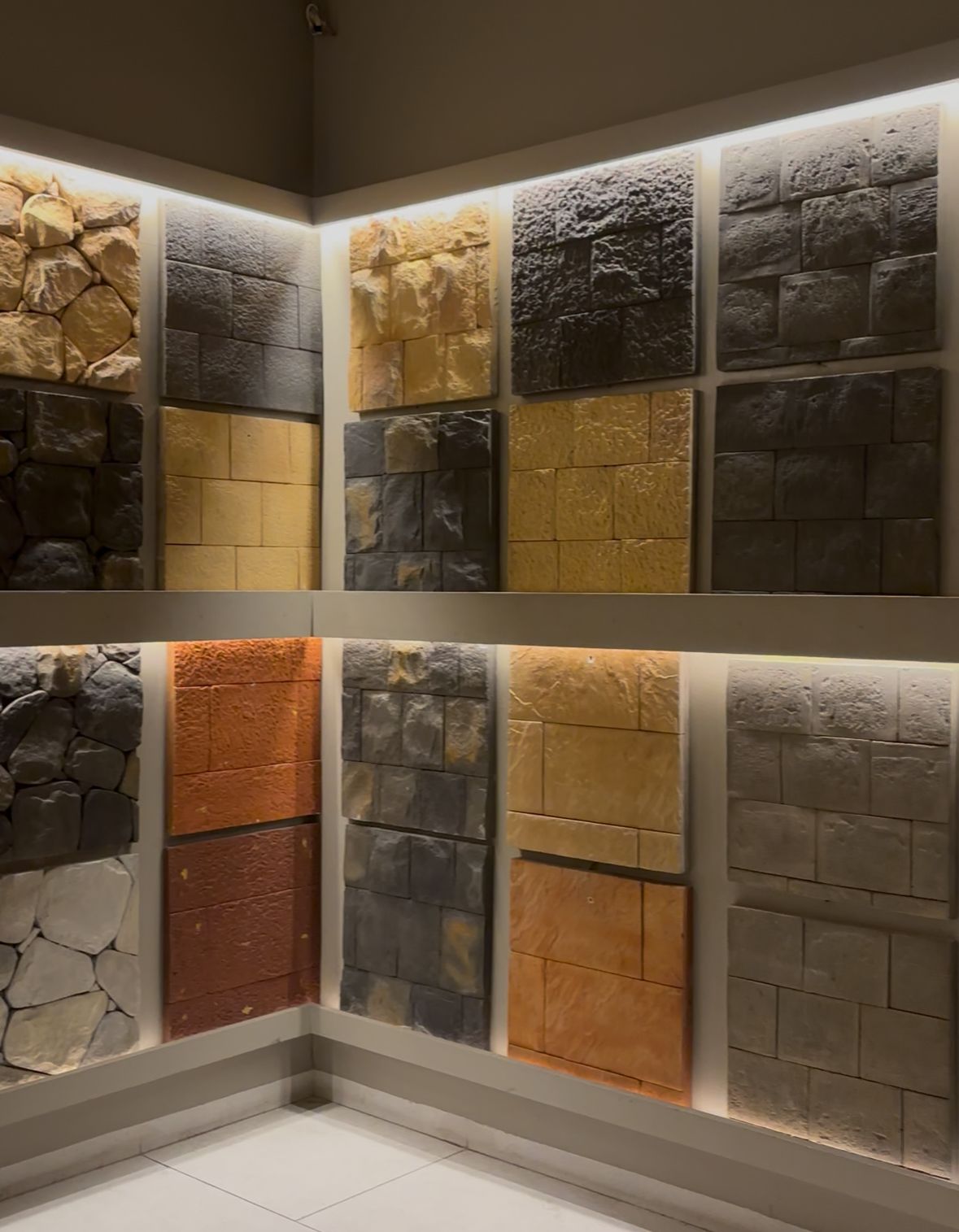
You can get a high-end stone or brick look for less money and with easier installation by choosing artificial cladding, while still gaining strong durability and low maintenance.
Expect clear cost savings on materials and labor, lighter weight that avoids structural upgrades, and wide customization so your home matches the vision you want. If you want lasting curb appeal and measurable savings without the weight and price of natural stone, artificial stone and brick cladding are worth the investment for most projects.
The article will walk you through what these systems are, how they perform over time, the real financial trade-offs, aesthetic options, and the environmental factors to consider so you can decide whether this choice fits your budget and design goals.
Understanding Artificial Stone and Brick Cladding
You’ll learn what artificial stone cladding is, how brick veneer systems are built and perform, and how both compare to traditional masonry in cost, weight, and thermal behavior.
What Is Artificial Stone Cladding?
Artificial stone cladding, often called cast stone or manufactured veneer, consists of molded concrete, lightweight aggregates, pigments, and surface treatments designed to mimic natural stone. Manufacturers cast panels or individual units to match specific details, colors, and sizes, so you can pick consistent finishes across a project.
Installation is typically faster and lighter than natural stone. Panels or thin units attach to a substrate with adhesives, mechanical fasteners, or mortar on a metal or wood backing. You get lower material waste, predictable sizing for tight joints, and reduced labor time—useful for renovations or when structural load is limited.
Expect good resistance to cracking and staining when products include proper reinforcement and sealers. Performance varies by product line, so review compressive strength, freeze-thaw ratings, and UV-stability when selecting materials for exterior exposure.
Key Features of Brick Veneer Systems
Brick veneer is a single wythe of brick attached to a framed wall; it looks like traditional brick but doesn’t carry structural loads. You’ll see two main attachment methods: anchored veneers with ties to the structure, and adhered veneers using mortar or adhesive directly to a backup wall.
Benefits you’ll notice include authentic details, predictable sizes, and easier repairs—individual bricks can be replaced. Veneer systems incorporate a continuous air space and flashing to manage moisture; that drainage plane reduces water intrusion risk when installed correctly.
Thermal and acoustic performance is modest compared with solid masonry. Brick veneer can be combined with cavity insulation and rainscreen details to improve energy performance. Check for proper weep holes, ties spacing, and compatible lintel supports during design and installation.
Comparison With Traditional Masonry
Traditional masonry—solid brick or stone load-bearing walls—carries structural loads and provides significant thermal mass. That mass moderates indoor temperature swings but adds weight and increases foundation costs compared with veneers or artificial cladding.
Artificial cladding and brick veneer lower structural demands and installation time. You’ll save on foundation and framing costs and gain flexibility for retrofit work. However, both require careful detailing for moisture control; poorly detailed veneers can trap water and lead to rot in the backup structure.
Cost comparisons depend on material quality and labor. Expect lower upfront material and labor costs with veneer and artificial stone versus full-thickness masonry. Long-term durability can match masonry if you choose high-quality products and follow manufacturer installation guidelines.
Financial Value and Cost Savings
Artificial stone and brick cladding typically cost less to buy and install than natural stone while delivering comparable curb appeal, lower upkeep, and measurable energy benefits over time.
Upfront Investment vs. Long-Term Benefits
You will usually pay less per square foot for manufactured stone or veneer than for full-thickness natural stone. Expect material cost reductions and labor savings—studies show project costs can drop roughly 20–25% when using artificial cladding versus quarried stone, largely from simpler installation and less structural reinforcement.
Because artificial units are lighter, you can avoid load-bearing wall modifications and heavy masonry crews. That lowers permit complexity and on-site time, which translates into faster project timelines and earlier occupancy or use. Over a 10–20 year horizon, the combination of lower initial spend and reduced renovation needs often yields a positive return on investment for most residential and many commercial projects.
Lower Maintenance Requirements
You will spend less on routine care with manufactured cladding. Artificial stone and brick veneers resist cracking from freeze-thaw cycles and rarely need sealing the way some natural stones do.
Typical maintenance for artificial cladding includes occasional pressure washing and inspecting mortar or adhesive joints—tasks you can schedule every 3–7 years depending on local weather. That contrasts with natural stone, which may need periodic repointing, resealing, or stone replacement. Reduced maintenance lowers both direct costs (contractor hours, materials) and indirect costs (downtime, access equipment rental).
Energy Efficiency and Insulation
You can improve thermal performance by combining artificial cladding with an insulated rainscreen or continuous exterior insulation (CI). Manufactured stone itself has modest insulation value, but when installed over foam board or cavity insulation, the system boosts wall R-value and reduces heat loss.
Better insulation cuts heating and cooling loads. In cold climates, that means shorter heating seasons and lower fuel bills; in hot climates, you reduce air-conditioning runtime. When you factor in lower energy bills over 5–15 years, the incremental cost of adding insulation behind artificial cladding often pays back through utility savings and increased occupant comfort.
Durability and Performance
Artificial stone and brick cladding deliver predictable strength, lower weight, and easier installation compared with natural masonry. You get engineered consistency in dimensions and surface finish, plus reduced structural load and faster labor time.
Weather and Impact Resistance
Manufactured cladding products are molded from cement, aggregates, and polymer resins that resist freeze-thaw cycles and moderate impacts better than thin natural veneers. If you live in a cold climate, choose units rated for freeze-thaw performance; they typically show water absorption under 6–8%, which reduces cracking from ice expansion.
In hurricane or hail-prone areas, thicker cast-stone panels and polymer-modified brick veneers absorb impact without shattering the way thin natural slices can. Pay attention to manufacturer impact ratings and installation details—mechanically fastened systems perform better than adhesive-only attachments under wind uplift.
Lifespan and Material Hardiness
Expect 30–50 years from high-quality artificial stone and properly installed brick veneer when you maintain the cladding and flashing. Cast stone and dense polymer-modified products resist spalling and surface erosion far longer than lightweight foam-based panels.
Hardness varies by formula: cured cementitious mixes approach natural stone Mohs-equivalent toughness for common wear, while polyurethane panels trade some hardness for lighter weight and easier handling. Select a product whose compressive strength and density match your exposure level—high-traffic facades or ground-contact areas need denser mixes.
Fade and Moisture Protection
Color stability depends on pigmentation and UV-stable binders. Factory-integrated mineral pigments and UV inhibitors retain color far longer than surface stains or paints, so select products with proven lightfastness ratings (look for ASTM or ISO test data).
Moisture protection relies on both material permeability and detailing. Low-absorption cladding reduces freeze-thaw damage, but you must also install proper drainage planes, flashing, and breathable membranes to prevent trapped moisture. Silicone or polyurethane sealants on joints help, but ventilation gaps and weep systems are the primary defenses against mold and substrate deterioration.
Aesthetic Appeal and Customization
Artificial stone and brick cladding lets you control color, detailing, and pattern to match specific design goals. You can achieve historic character, modern minimalism, or a hybrid look without heavy masonry work.
Range of Styles and Finishes
You can choose from thin brick, molded stone, and high-definition concrete panels that mimic limestone, slate, or weathered brick. Manufacturers offer precise color matching, variegation, and joint profiles so you get the exact visual depth you want.
Many products come in modular panels for consistent installation and reduced waste. Options include matte, honed, or distressed finishes and custom pigments or stains when you need a unique façade.
If you want intricate detailing, some artificial stones include hand-finished detailings and angled cuts to create shadow lines. For quicker installs, interlocking panels and adhesive systems maintain a realistic look with less labor.
Enhancing Property Value
You improve curb appeal with a durable, low-maintenance exterior that buyers recognize as higher-end. Realistic stone or brick cladding can lift perceived value, especially when paired with quality windows, trim, and landscaping.
Because artificial cladding is lighter, you save on structural reinforcement and installation time, which can lower upfront costs and shorten project timelines. Those savings often translate into a stronger return on investment compared with full-thickness natural stone.
Buyers often favor properties with updated exteriors that require minimal upkeep. Long-lasting color and sealed finishes keep the façade attractive through inspections and showings, helping you command a better price or faster sale.
Integration With Contemporary Architecture
You can blend artificial cladding with glass, metal, and wood to create clean, contemporary compositions. Thin profiles allow flush transitions and tight joints that suit minimalist façades and modern curtain-wall elements.
Use large-format panels to maintain uninterrupted lines, or select narrow brick veneers to emphasize horizontal rhythm. Both approaches integrate well with steel framing and energy-efficient wall assemblies.
Artificial materials also support thermal insulation upgrades and rainscreen systems, so you can meet modern performance standards while keeping the aesthetic you want. That makes it practical to combine style and building science on renovation or new-build projects.
Environmental Benefits and Sustainability
You gain lower embodied carbon, reduced material waste, and options that use recycled inputs. These factors can cut lifetime environmental impact while keeping durability and thermal performance high.
Eco-Friendly Manufacturing Processes
Artificial stone and manufactured brick often use controlled, energy-efficient production methods compared with traditional quarrying or fired-clay production. Many factories employ lower-temperature curing, precision molding, and automated material dosing that reduce energy per unit and limit inconsistent waste.
Look for products with documented savings such as reduced kiln firing or use of industrial byproducts (e.g., fly ash, slag) in the mix. Third-party certifications, like ISO environmental management or product-specific EPDs (Environmental Product Declarations), let you verify claimed reductions in embodied carbon and energy use.
You should also consider local sourcing to cut transport emissions. Buying from regional manufacturers can materially lower the project’s transport footprint, often by tens to hundreds of miles compared with imported natural stone.
Reduced Resource Consumption
Manufactured cladding uses less virgin quarried stone or virgin clay per square foot because it can be engineered thinner and lighter while keeping strength. That lowers demand on finite natural stone reserves and reduces the need for structural modifications to support heavy materials.
Many mixes incorporate supplementary cementitious materials and recycled aggregates, which reduce the proportion of cement and virgin aggregate in each unit. This substitution trims CO2 associated with cement production and conserves natural aggregate stocks.
Because artificial units are lighter, you can often avoid reinforcing walls or foundations, saving steel and concrete in the overall build. Those secondary material savings contribute to lower lifecycle environmental costs beyond the cladding itself.
Recyclability and Waste Minimization
Manufactured stone and brick can be designed for end-of-life recycling or reuse. Unbroken units are commonly reclaimed and repurposed on-site or in other builds, reducing landfill volumes and the need for new materials.
Production facilities also tend to capture and reuse offcuts, sieving and reincorporating them into new batches. This circular handling lowers manufacturing waste rates compared with inconsistent quarry leftovers or highly brittle fired products.
When specifying products, ask suppliers about take-back programs, percentage of recycled content, and documented waste rates. Those measurable indicators show whether the cladding you choose will actually minimize waste across manufacturing, construction, and disposal phases.