
🗓️
You want a straightforward answer: artificial stone typically gives you better value for most modern projects because it matches or exceeds natural stone’s durability and appearance while costing less to buy, transport, and maintain. If your priorities are predictable performance, lower installed cost, and easier upkeep, artificial stone is the practical choice.
You want a straightforward answer: artificial stone typically gives you better value for most modern projects because it matches or exceeds natural stone’s durability and appearance while costing less to buy, transport, and maintain. If your priorities are predictable performance, lower installed cost, and easier upkeep, artificial stone is the practical choice.
You’ll see how core material differences, real-world performance, installation and maintenance trade-offs, design flexibility, and lifecycle costs all favor engineered stone in many applications. Keep going to see clear comparisons and no-marketing facts that help you pick the right material for your project.
Core Material Differences
You’ll see clear contrasts in raw ingredients, how products are made, and what that means for performance and sustainability. These differences affect cost, installation, maintenance, and long-term behavior.
Composition and Manufacturing
Artificial stone is manufactured through controlled production processes that ensure consistent strength and structural reliability. Manufacturers control particle size, resin content, and color additives to achieve specific strength, porosity, and appearance targets. Production uses molding, vibration, and curing under pressure or heat, which reduces internal voids and yields stable panels or pavers.
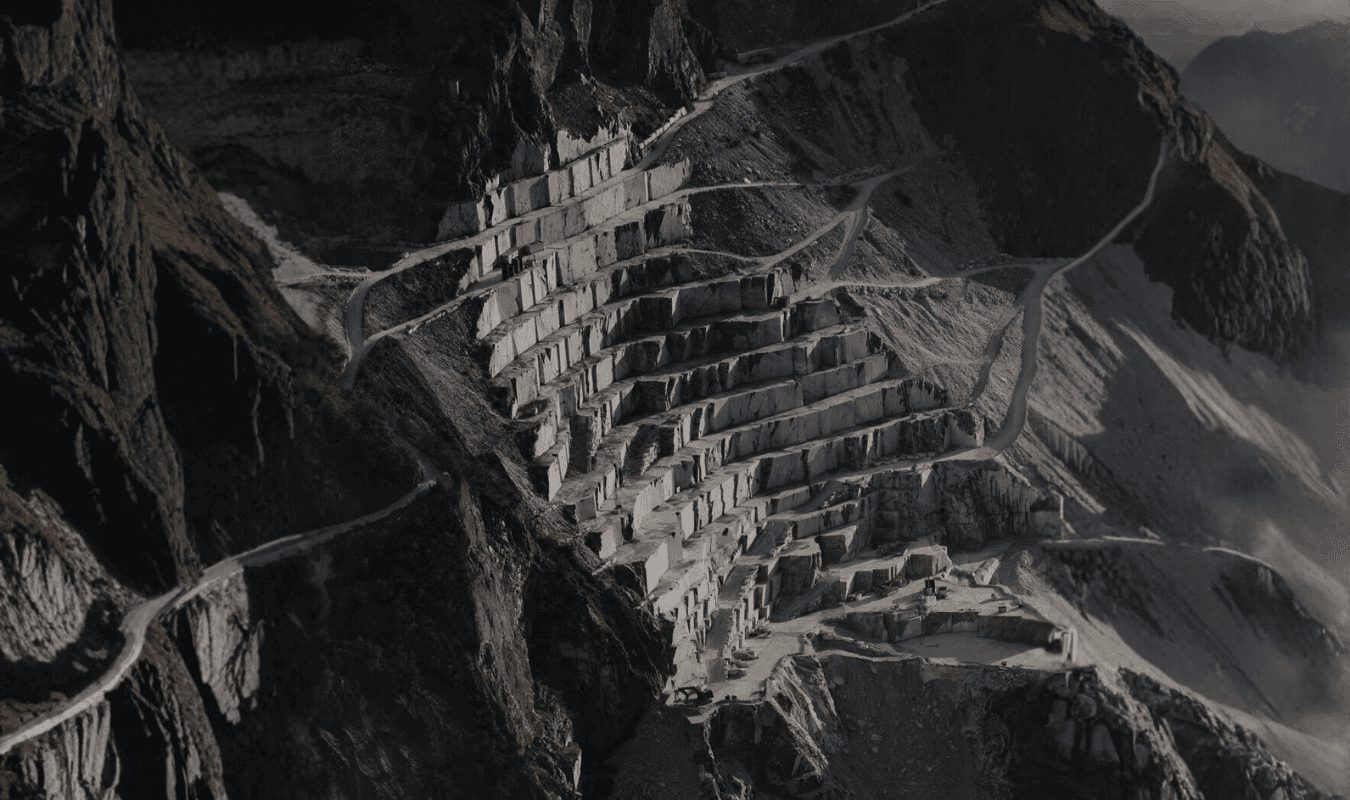
Natural stone forms by geological processes—metamorphism, cooling of magma, or sedimentation—so you get granite, marble, limestone, etc., each with distinct mineralogy and variable porosity. You cut and finish slabs from quarries; no single process repeats the same internal grain or veining. Expect natural variability in density, hardness, and how the stone responds to cutting and sealing.
Key practical impacts:
Artificial stone: predictable mechanical properties, tighter tolerances, easier mass production.
Natural stone: variable strength and porosity depending on type and quarry, sometimes requiring bespoke handling.
Consistency in Quality
With engineered stone, you can expect near-identical batches. Color, veining pattern, thickness, and compressive strength are controlled to tight specs, which simplifies matching for large projects and reduces waste from off-spec pieces. Fabrication tolerances are consistent, so edge profiles, sink cutouts, and seams align predictably.
Natural stone presents lot-to-lot variability. Two slabs from the same block may show different veining intensity, mineral inclusions, or small fissures. That variability can complicate layout planning for continuous patterns and may require extra selection time on site. Performance variability also affects sealing frequency and repair approaches.
What this means for you:
Choose artificial stone when uniform appearance and predictable fabrication reduce installation time.
Choose natural stone if you prioritize unique, one-of-a-kind aesthetics and accept extra sorting and potential remediation.
Environmental Sustainability
Artificial stone production concentrates energy use in factory settings but can incorporate recycled content (crushed porcelain, reclaimed aggregates) and minimize quarrying footprint. Controlled manufacture allows optimized material yield and reduced onsite waste. Some producers capture manufacturing emissions and offer lifecycle data to compare impacts.
Natural stone extraction involves quarrying, heavy machinery, and significant transport when sourced far from the project. Quarrying disturbs landscapes and generates spoil; however, natural stone is inert, long-lasting, and often requires less chemical processing. End-of-life scenarios differ: natural stone is readily reusable or downcycled, while engineered stone’s resin matrix complicates recycling in many regions.
Practical trade-offs:
If local sourcing and reuse are available, natural stone can have a low lifecycle impact.
If you need to minimize quarrying and control embodied material choices, engineered stone offers options for recycled content and tighter production oversight.
Performance and Practicality
You’ll get predictable, engineered performance and easier installation without sacrificing the look you want. Expect lower maintenance, repeatable dimensions, and handling advantages that reduce labor and transport costs.
Durability and Strength
Artificial stone is manufactured through controlled production processes that ensure consistent strength and structural reliability. Because every piece is produced under the same conditions, the material maintains uniform performance across large installations. Natural stone, on the other hand, is quarried from the earth and may contain natural veins, fissures, or irregularities that can sometimes lead to breakage during cutting, transport, or installation.
For high-wear surfaces, choose manufactured products rated for specific loads; many artificial stones match or exceed the compressive strength of common natural stones while offering better impact resistance because of composite binders. You should still verify manufacturer data sheets for flexural strength, abrasion ratings, and recommended uses before specifying.
Maintenance is simpler because engineered materials can be formulated to resist staining and scratches. When a panel or tile gets damaged, replacement pieces are easier to match and install than individually quarried stones with unique color and grain.
Weather Resistance
Artificial stone formulations can include UV stabilizers, water repellents, and freeze-thaw additives to improve outdoor performance. Those controlled additives reduce colour fading, efflorescence, and microcracking compared with some porous natural stones that absorb water and deteriorate under repeated freeze-thaw cycles.
You should check the product’s ASTM or EN weathering tests, salt-spray resistance, and water absorption percentages. For coastal or freeze-prone sites, choose low-absorption (<0.5–2% depending on spec) materials and coatings specified for chlorides and cyclic freezing. Proper joint detailing and drainage remain critical regardless of material to prevent trapped moisture and premature failure.
Weight and Ease of Handling
Artificial stone is generally lighter per square foot than quarried stone because manufacturers control density using lightweight aggregates or polymer binders. Lighter panels reduce crane time, allow simpler anchoring systems, and lower shipping costs—often cutting installation labor by 20–40% on comparable-area cladding jobs.
You’ll find fabricated sizes and repeatable dimensions that speed layout and reduce cutting on site. For vertical installations, prefabricated panels with integrated backing or mechanical fixing points make alignment faster and safer. Always follow the product’s maximum panel span and anchorage specifications to avoid overloading supports.
Installation and Maintenance Considerations
Installation time, skill level, and ongoing upkeep directly affect your project's cost and lifespan. Focus on labor requirements, tools, typical failure points, and realistic cleaning routines to plan budget and schedule accurately.
Ease of Installation
Artificial stone typically comes in lighter, uniform panels or modular units that fit with standard masonry anchors and adhesive systems. You can expect faster installation per square meter compared with heavy natural slabs, and fewer specialized lifting tools are required for wall cladding or veneer work.
With natural stone, you must account for cutting, custom fitting, and heavier anchoring systems. That raises labor hours and the need for stone masons or experienced installers. Substrate preparation matters for both: ensure flat, level surfaces and proper moisture barriers to prevent long-term movement or staining.
If you plan DIY, artificial stone reduces handling risks and often includes manufacturer instructions and matching trim pieces. For commercial projects, measure lead times—natural stone may require quarry scheduling and longer delivery windows.
Repair and Replacement
Artificial stone panels and veneers are generally modular, so you can remove and replace single units without disturbing large surrounding areas. Matching color and detailing is easier within the same production batch, and replacement parts are often available from the manufacturer for years after installation.
Natural stone repairs usually require sourcing matching slabs or custom cutting, which can be time-consuming and costly. Repair methods for chips or cracks often involve epoxy fillers and color-matched pigments, but results can remain visible, especially on stones with strong veining.
For joints and anchors, inspect both materials annually. Artificial stone relies on mechanical anchors and adhesive bonds that can be resealed or tightened. Natural stone depends more on grout integrity and anchor corrosion control; failures there typically need more invasive remediation.
Cleaning Requirements
Artificial stone resists staining and absorbs less water, so routine cleaning usually involves mild detergent, warm water, and a soft brush or pressure-wash at low settings. Avoid high-acid cleaners and harsh solvents; consult the manufacturer for approved products to keep protective surface treatments intact.
Natural stone often requires stone-specific cleaners and periodic sealing to protect porous surfaces like limestone and sandstone. Sealing intervals vary by material and exposure—typically every 1–5 years—so factor in recurring maintenance costs and application labor.
For both materials, clear organic debris and runoff promptly to avoid staining. For exterior applications in freeze-thaw climates, keep drainage and joints well-maintained to reduce freeze-related damage and biological growth.
Design Flexibility and Aesthetics
Artificial stone gives you predictable color, detailing, and size options while allowing complex shapes and repeatable patterns. You can match existing materials, control long runs without visible variation, and choose finishes that suit indoor or outdoor conditions.
Customization Options
You can specify exact dimensions, edge profiles, and molded details that natural stone rarely offers. Manufacturers produce panels, veneers, and full-thickness slabs in custom sizes, which speeds installation and reduces waste on site.
Mix-and-match assemblies are common: pre-fabricated corner pieces, integrated trim, and lightweight backing systems let you achieve tight tolerances and clean joints. If you need curves, cantilevers, or thin veneers for retrofit work, artificial stone molds and CNC-cut slabs deliver those shapes consistently.
You also get performance-driven choices. Want low-absorption units for freeze-thaw climates or UV-stable pigments for sun-exposed façades? Those specifications are available without the unpredictability of quarry variation.
Color and Detailing Consistency
Artificial stone maintains uniformity across batches, so large façades remain visually coherent. Pigments and aggregates are metered during production, which prevents banding and unexpected veining that can occur with natural quarried pieces.
Surface detailings—sawn, honed, split-face, or bush-hammered—are reproducible from panel to panel. That means interior feature walls and long exterior elevations match under different lighting conditions and at different delivery dates.
If you require exact color matches to branding or existing cladding, you can obtain color recipes and sample panels before committing. That level of control reduces on-site rework and helps you meet tight aesthetic tolerances.
Integration in Modern Architecture
You can integrate artificial stone with curtain walls, rainscreens, and composite cladding systems without heavy structural upgrades. Its lower weight simplifies anchoring details and often allows thinner substrate build-ups.
For modern joint patterns, thin mortar joints or hidden fasteners keep lines crisp. Fabricators can pre-install attachment hardware, thermal breaks, and backer systems to streamline field assembly and maintain continuity with insulation and vapor control layers.
When architects specify repetitive modules, artificial stone supports modular production and just-in-time delivery. That predictability reduces site coordination, shortens timelines, and lets you achieve contemporary design intents like long horizontal bands, large-format panels, and precise alignment with windows and metal panels.
Cost Analysis and Longevity
You’ll see differences in initial price, maintenance outlays, and how long each material serves its purpose before replacement. Those three factors determine the actual cost per year and influence which option makes sense for your project.
Upfront Investment
Artificial stone typically costs 20–60% less than comparable natural stone slabs when you compare like-for-like thickness and finish. That gap reflects lower raw-material costs and factory production instead of quarrying and cutting.
Fabrication for artificial stone often includes molded pieces, which lowers labor time; expect faster templating and installation, especially for complex shapes like integrated sinks or curved cladding.
Natural stone can have high transportation and waste-cutting costs. Specialty stones (marble, granite) often add 10–30% to the sticker price due to rarity and finish.
If your project demands matching vein patterns or oversized slabs, plan for higher upfront costs and potential lead times that affect scheduling.
Long-Term Value
Artificial stone resists stains, some impact, and UV fading better than many polished natural stones, reducing surface repairs and resealing frequency. For countertops and high-traffic interiors, this lowers annual maintenance costs and downtime for your space.
Manufacturers typically offer warranties (5–15 years) that cover discoloration and delamination; check the fine print for coverage of thermal shock or outdoor exposure.
Natural stone can last decades with minimal structural decay if properly installed and maintained. However, it requires periodic sealing, polish restoration, and can chip or crack from impact, raising lifecycle expenses.
When you model cost per year, include cleaning, sealing every 1–5 years, potential re-polishing, and higher repair costs for matched replacements.
Availability of Materials
Artificial stone gives you consistent supply chains and color batches, which means you can order matching pieces for phased projects or repairs. Vendors can reproduce exact colors and edge profiles, simplifying future additions or replacements.
You also benefit from predictable lead times—manufacturers keep standard colors in stock and produce custom colors at scale, reducing the risk of project delays.
Natural stone availability varies by quarry output and quality grades. If you need a specific vein or slab bookmatch, you may face long waits or limited repeats.
Sourcing rare or imported stones can add months to procurement and higher freight costs; for renovations decades later, matching originals may be impossible, complicating repairs.