
🗓️
Modern architecture demands more than just good looks. Today’s buildings must be durable, cost-effective, low-maintenance, and sustainable. This is why the debate around artificial stone vs natural stone has become increasingly important. While natural stone has been used for centuries and carries a sense of heritage, artificial stone offers engineered strength, consistent detailing, and predictable performance.
Choosing between artificial stone vs natural stone is no longer just a design decision. It directly impacts construction timelines, long-term maintenance costs, structural reliability, and environmental responsibility. In this blog, we break down the key differences to help you understand which option truly works best for modern buildings.
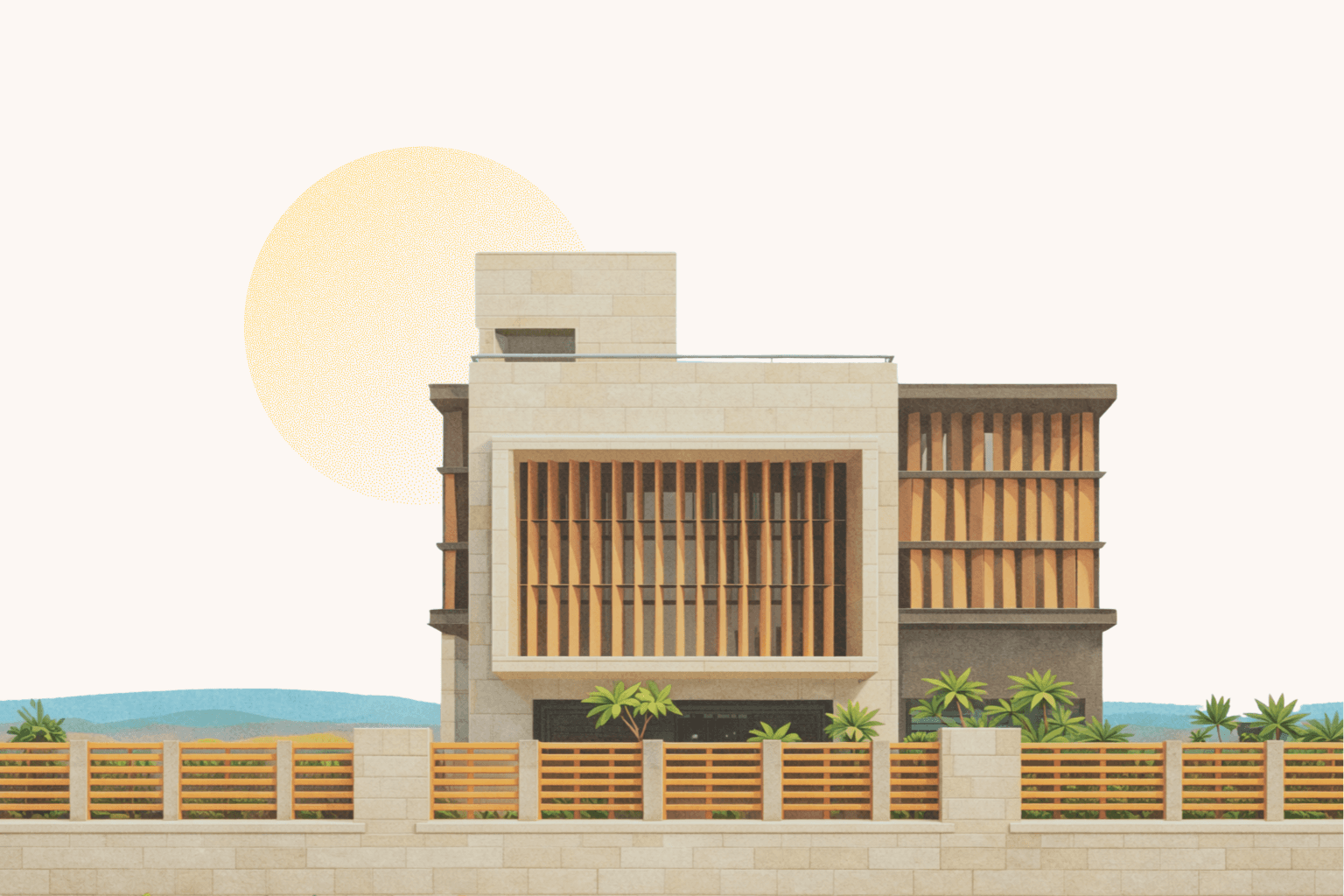
If you look around any modern city, you will notice how clean and sharp today’s buildings look. Architects now choose materials very carefully. Stone, once considered traditional, is now widely used again in contemporary design. This brings up an important question: artificial stone vs natural stone — which one is better for modern buildings?
The decision is not only about appearance. It affects durability, cost, maintenance, sustainability, and long-term performance. Choosing the wrong material can increase repair costs and reduce structural reliability over time. That is why understanding the difference between artificial stone and natural stone matters.
Understanding Natural Stone
Natural stone comes directly from the earth and is cut into slabs or blocks with minimal processing. Because it forms naturally over thousands of years, each piece has its own variation in color and detailing. Marble, granite, limestone, and sandstone are commonly used in construction.
Natural stone has a rich history. It has been used in temples, monuments, and heritage buildings for centuries. Even today, it is popular in luxury homes, hotels, and feature walls. However, natural variation can create inconsistency across large surfaces. It also requires regular sealing and careful maintenance to protect against moisture and staining.
In large modern projects, these limitations can become challenges.
What Makes Artificial Stone Different?
Artificial stone, also known as engineered stone, is fully manufactured using advanced engineering processes. It is made from completely engineered man-made materials, specially formulated binders, performance-enhancing additives, and integrated color compounds. It does not contain crushed natural stone.
Because it is 100% engineered, every panel offers uniform strength, consistent color integration, precise detailing, and controlled surface finish. Manufacturing takes place under strict factory conditions, which ensures predictable performance and long-term durability. Artificial stone is designed for both interior and exterior use, making it highly versatile for modern construction.
Artificial Stone vs Natural Stone: Key Differences
When comparing artificial stone vs natural stone, consistency becomes one of the biggest differences. Natural stone varies from piece to piece, which may look attractive in small applications but can be difficult to manage across large facades. Artificial stone provides uniform detailing and balanced appearance throughout the project, making it ideal for modern architecture.
In terms of strength, some natural stones like granite are strong, but natural materials can absorb water and develop cracks over time. Artificial stone is engineered for structural reliability and better resistance to environmental stress. This makes it suitable for high-rise buildings and exterior cladding.
Maintenance is another important factor. Natural stone requires sealing and careful upkeep. Artificial stone needs minimal maintenance and basic cleaning, which reduces long-term expenses. Over the building’s lifecycle, this often makes artificial stone the more cost-effective option.
Sustainability also plays a role. Natural stone mining involves quarrying and heavy transportation. Artificial stone is manufactured without quarry extraction, reducing environmental impact and supporting modern green building practices.
Which One Should You Choose?
Natural stone works well in luxury interiors, heritage-inspired designs, and smaller areas where natural variation is desired. It carries traditional appeal and timeless character.
Artificial stone is better suited for large commercial projects, modern residential buildings, exterior walls, and developments that demand consistency, durability, and controlled costs. Its engineered composition ensures reliable performance and uniform detailing across the entire structure.
Final Thoughts
The debate between artificial stone vs natural stone is no longer about tradition versus innovation. It is about performance, efficiency, and long-term value.
Natural stone offers authenticity and heritage appeal. Artificial stone offers engineered strength, consistent detailing, lower maintenance, and sustainable production. For modern buildings that require durability and predictable results, artificial stone is often the smarter and more practical choice.
Before making a decision, consider your design goals, weather exposure, maintenance expectations, and overall budget. The right material choice today will define how your building performs and looks for decades.